
GRG Material in Building Decoration
Share:







GRG material was introduced into the building decoration industry in the late 1970s and made its way into the Chinese market at the beginning of the 21st century. This material exhibits characteristics of flexibility, convenience, functionality, and practicality. It can be fabricated into various forms - flat, curved, artistic, and functional products. The versatility of shapes makes it the preferred choice for architects seeking distinctive designs. Currently, it has evolved into a widely adopted environmentally friendly material in international interior decoration.
GRG (Glass Fiber Reinforced Gypsum) is a modified fiber gypsum decorative material. It is a precast composite material manufactured using high-quality natural modified gypsum as the base, incorporating high-strength alkali-resistant glass fiber and trace environmentally friendly additives. The product surface exhibits a smooth, white finish with a whiteness index exceeding 90%. Its refined surface texture allows excellent bonding with various coatings and finishing materials to achieve superior decorative effects.
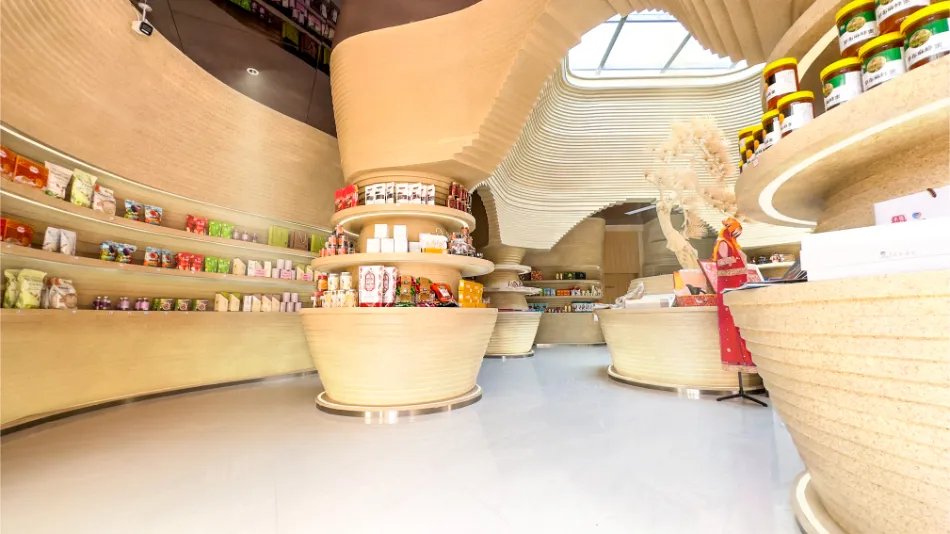
Key Characteristics of GRG
1. Dimensional Stability: Since gypsum, the main component of GRG, does not corrode glass fiber and maintains a minimal shrinkage rate (less than 0.01%) after drying, the product ensures stable performance, durability, crack resistance, and longevity.
2. Lightweight Properties: GRG has a density of 1,800 kg/m³, with a 10mm thick GRG board weighing approximately 22 kg/m². This significantly reduces the overall building weight and structural load.
3. Structural Integrity: A 20mm thick GRG product demonstrates a flexural load strength exceeding 1,200 N, surpassing the national standard requirement of 118 N for decorative gypsum boards by more than tenfold. Processed GRG products exhibit a low coefficient of thermal expansion with a shrinkage rate below 0.1%, ensuring stability against environmental temperature and humidity variations.
4. Flexibility and Malleability: Through specialized precast processing technology, GRG products possess excellent bending and tensile resistance, resulting in superior flexibility and moldability.
5. Moisture Management: GRG boards feature a microporous structure that facilitates natural moisture regulation. In low-humidity environments, the board releases moisture through micropores; in high-humidity conditions, it absorbs excess moisture. This "breathing" effect helps regulate indoor climate conditions.
6. Fire Resistance: GRG is classified as a Class A fire-resistant material. During fire exposure, it releases 15-20% of its weight in water, significantly reducing surface ignition temperature and potential fire damage.
7. Environmental Safety: GRG products are odorless and comply with GB6566-2001 Class A standards for radioactive nuclide limits in building materials, qualifying them as green building materials.
8. Acoustic Performance: With an air-dried specific gravity of 1.75, GRG meets professional acoustic reflection requirements. When properly designed, it creates effective sound-absorbing structures for acoustic insulation.
9. Rapid Processing: GRG products require only 1 hour for demolding and 4-8 hours for complete drying after specialized treatment.
10. Installation Efficiency: Large-format GRG components can be manufactured to any specified design. On-site hoisting and splicing techniques enable quick installation and superior decorative results.
11. Surface Versatility: The refined surface finish of GRG products enables effective bonding with various coatings and decorative materials. It demonstrates resistance to diluted chemicals, acids, alkalis, bleach, and chlorinated solvents, making it a viable alternative to traditional stone and wood materials.
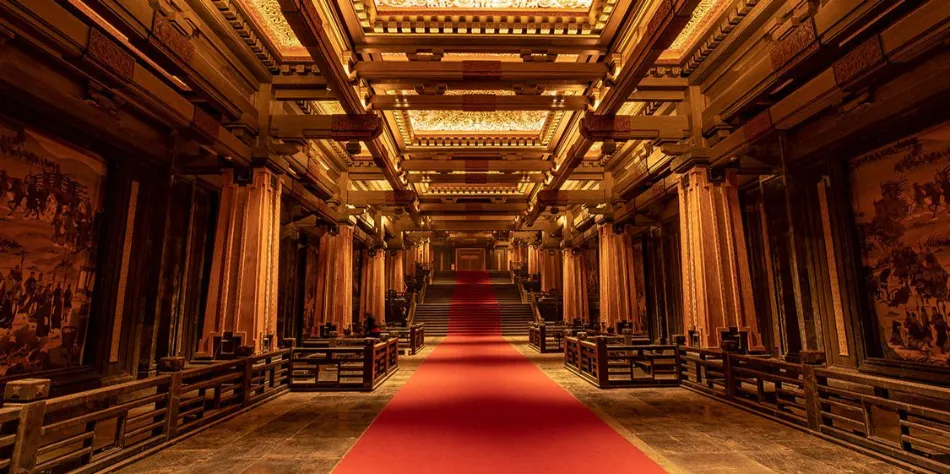
GRG materials find extensive application in:
● Suspended ceilings
● Wall panels
● Decorative moldings
● Sculptural elements
● Ornamental panels
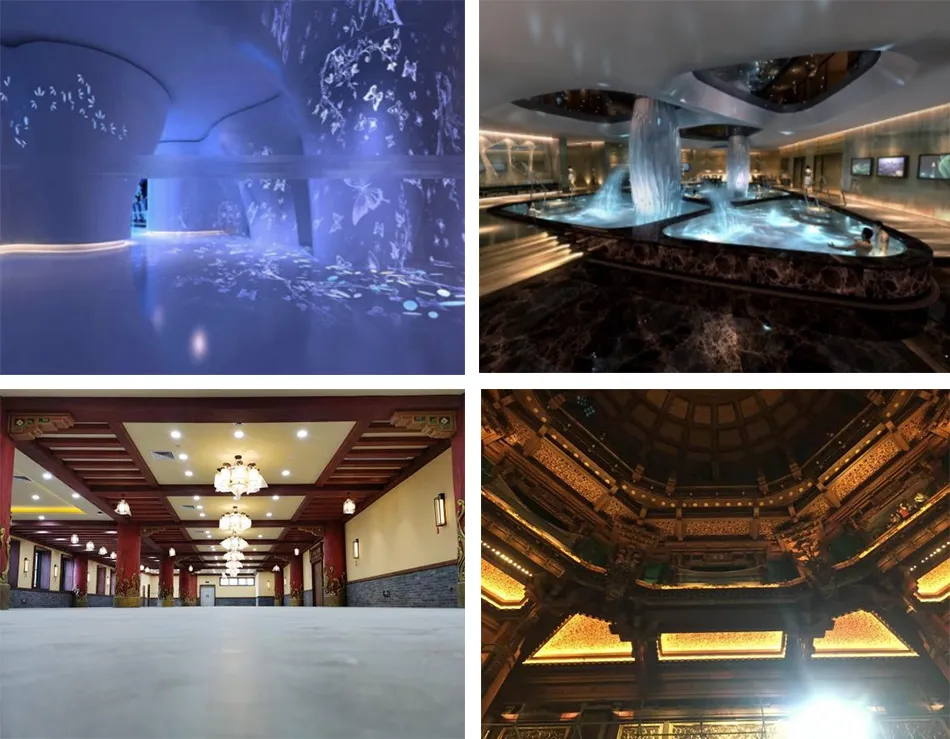
Design Development and Production
1. Quality assessment begins with understanding the manufacturer's production process following contract award.
2. Technical Drawing Development: Detailed engineering drawings are created based on site conditions and original design intent, specifying:
● Surface dimensions
● Internal framework
● Component segmentation
● Installation details
● Positioning control specifications
3. Dimensional Verification: Product dimensions are verified against technical drawings. Three-dimensional scanning technology is employed for complex curved surfaces, with computer analysis to verify acceptable tolerance ranges.
1. Thickness Verification: Edge measurements and core sampling ensure compliance with design specifications.
2. Hardware Inspection: Check for:
● Absence of rust on metal components
● Proper hot-dip galvanization
● Secure mounting hardware
● Accurate positioning of embedded elements
3.Structural Integrity: Inspect for:
● Layer separation
● Fractures
● Surface strength (fingernail test)
● Flatness and contour smoothness
4. Logistics: Verify appropriate packaging and handling procedures for transportation.
● Verify weld quality of concealed connectors
● Ensure vertical alignment of hangers
● Confirm proper tightening of fasteners
● Check U-bracket installations
● Verify final installed dimensions against control lines
● Ensure surface alignment meets specifications
